Your browser's security settings do not allow third-party cookies. Please adjust your browser's security settings or try a different browser to view this content.
By clicking “Allow,” you agree to the storage of cookies on your device to improve page navigation, analyse site usage, and support our marketing efforts. For more information, see our cookie policy.
Preferences
Reject
Allow
Oniva blog
Practical strategies for exceptional business events
No abstract concepts – just solid, practical knowledge drawn from over 10,000 events. Our seasoned event experts share their expertise so your next business event doesn't just run smoothly, it stands out.
Which event management software is GDPR-compliant, and which solution is best suited to your organisation? In this comparison, we’ve taken a close look at 10 European providers and listed them according to their range of features, data protection standards, pricing models and verified user reviews. You’ll find out which features GDPR-compliant software must have, why European providers are the better choice for many companies, and which platform best suits your requirements.
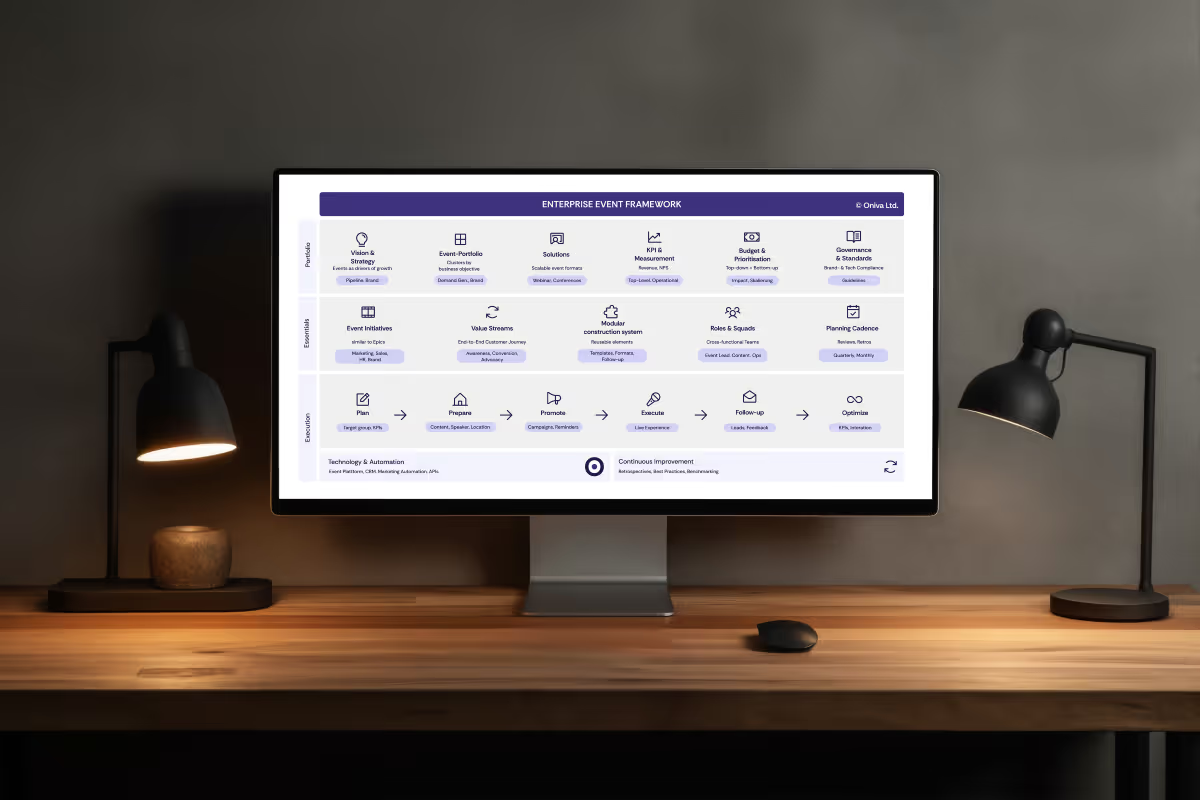
The Enterprise Event Framework brings structure to the event chaos of large organisations and transforms individual events into a scalable operating model. Instead of isolated one-off solutions, a clearly governed system emerges that unites strategy, execution and measurability. Organisations benefit from greater efficiency, consistent brand management and a direct alignment to business objectives. Find out how to transform events from an operational burden into a genuine growth driver.
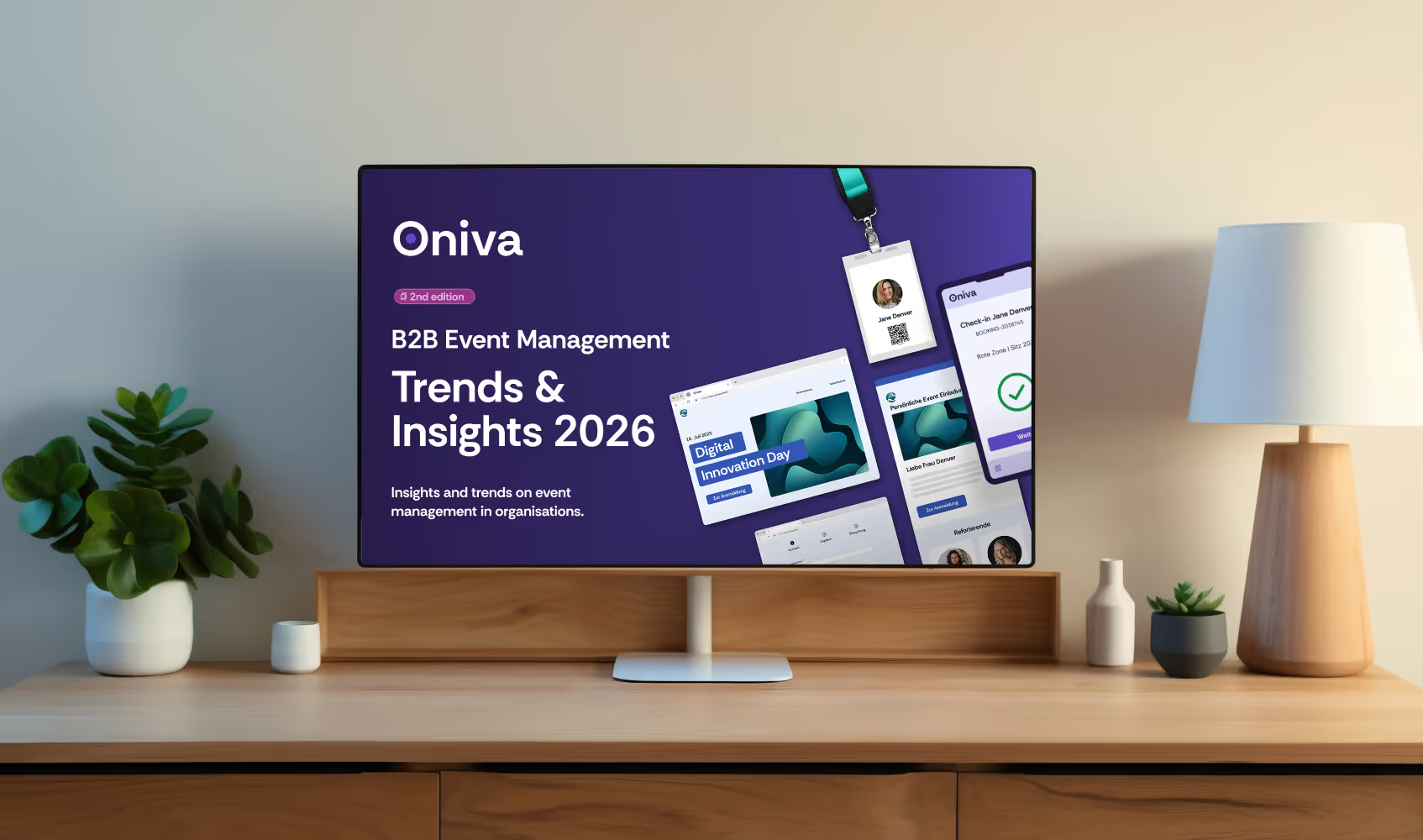
Our Event Management Survey will be published in its second edition in 2026. With 781 participants, the latest edition delivers more responses than ever before, significantly strengthening the validity of the results. For the first time, year-on-year comparisons between 2025 and 2026 provide valuable insights into how event management is evolving within organisations. One trend stands out clearly: time and resource constraints are moving into sharper focus, making the targeted use of tools, automation and AI more important than ever.
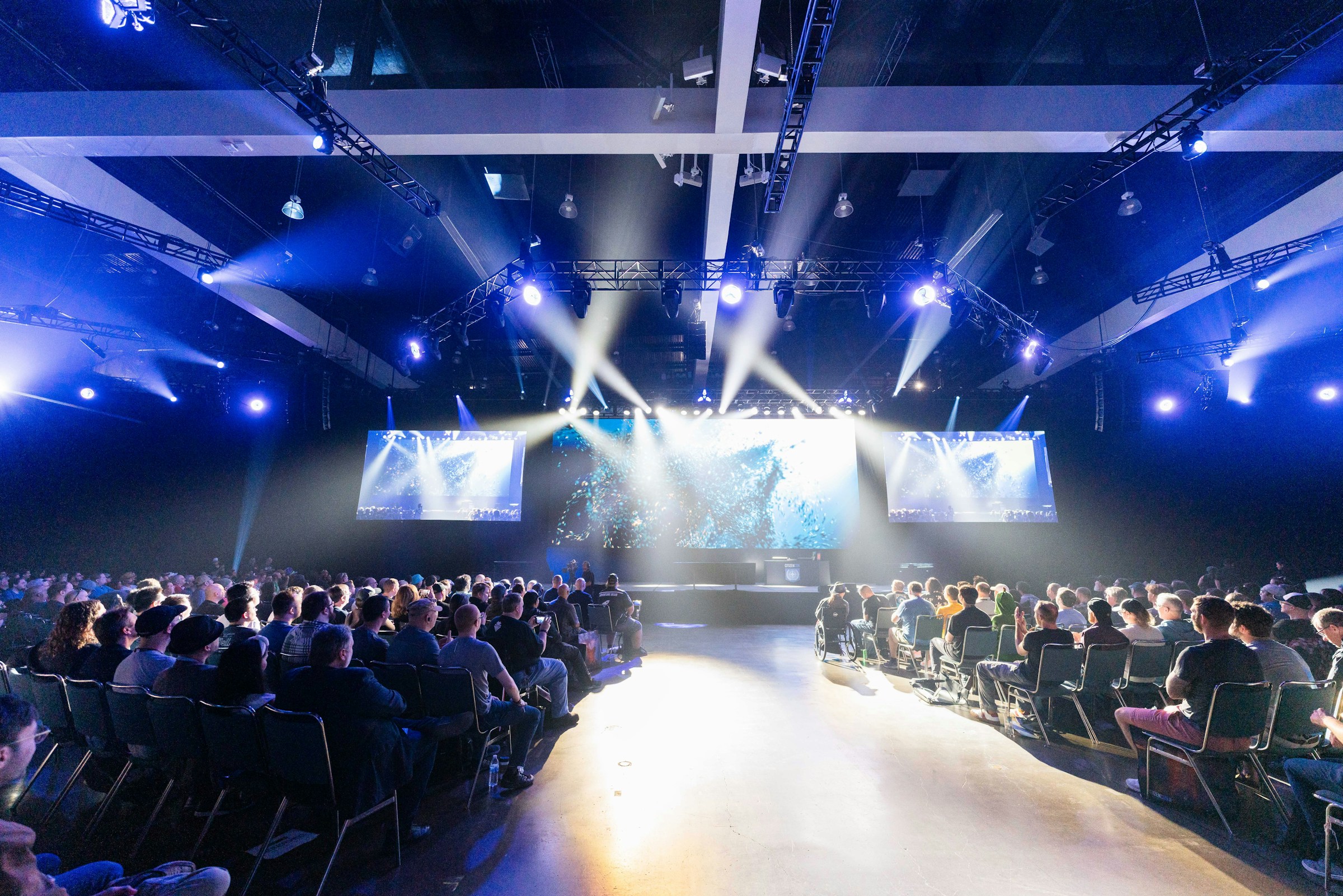
Events are strategic touchpoints that significantly shape brand identity, company culture, and customer relationships in large enterprises. As the number and variety of events grow, so do the demands on planning, execution, and evaluation. But how can events be efficiently managed and scaled within large organisations? Our guide explores what’s required for large enterprises to successfully implement a scalable event management platform.
The no-show rate is one of the most important key figures in event marketing. Knowing the no-show rate and aligning the event organisation accordingly saves money and prevents food waste. A low no-show rate is always a sign of success for events. In this article you will find tips for a low no-show rate.

.svg)



.svg)


.svg)
.svg)




.svg)



.avif)


.svg)

.svg)


.svg)




.svg)


.svg)



.svg)